FreeBetSpin

World Cup Odds Movement: 7 Smart Signals Behind Favorites, Risers & Fallers

Ethan Marshall

Senior iGaming Editor, Freebetspin

I write about World Cup odds, soccer betting education, market movement, futures betting, and safer gambling decisions for U.S. readers. This tracker explains World Cup odds movement in plain English, focusing on why futures prices shorten, drift, or stay stable after results, injuries, lineup news, and group-stage changes. Freebetspin does not operate a sportsbook, accept wagers, process deposits, or manage player accounts.

Quick Summary: World Cup Odds Movement Today

World Cup odds movement shows how the market is reacting to early tournament results, team performances, player news, and group-stage pressure. When a team’s odds shorten, the market sees that team as more likely than before. When odds drift, confidence has weakened. When odds stay stable, the market may still trust the team’s long-term profile.

This tracker uses movement direction instead of fixed prices because World Cup futures odds can change quickly across sportsbooks. Early group-stage results can create sharp reactions, especially when favorites underperform or underdogs take points from stronger teams.

Spain’s 0-0 draw with Cape Verde was widely reported as an early tournament shock, and SportsBettingDime’s World Cup futures tracker highlighted it as the first major odds-movement moment of the 2026 tournament.

World Cup odds movement tracker showing favorites risers fallers and futures odds changes World Cup odds movement tracker showing favorites risers fallers and futures odds changes

Market Signal Plain-English Meaning
Shortened Market confidence increased
Drifted Market confidence weakened
Stable Long-term view has not changed much
Big riser Team improved its perceived path
Big faller Result, injury, or performance created concern
Market overreaction One match may have moved the price too far

The goal is not to chase every move. The goal is to understand why the market moved and whether the new direction makes sense.

Latest World Cup Odds Movement Snapshot

The latest World Cup odds movement is best read as a direction tracker. Exact prices can vary across sportsbooks, but the direction tells you how the market is reacting.

A team can shorten after a convincing win, a favorable group result, a star performance, or positive injury news. A team can drift after a poor result, a flat attacking display, a key injury, or a tougher projected knockout path.

Team Movement Direction Market Read What to Watch Next
France Shortened / stable Market still respects squad depth and star power Forward fitness, group control, defensive balance
Argentina Stable / shortened Title profile remains strong if results match expectations Rotation, midfield legs, knockout path
England Stable / drifted Market watches tactical balance and pressure Chance creation, defensive control, lineup choices
Spain Drifted Draw with Cape Verde raised finishing and pressure questions Response match, chance quality, player availability
Brazil Stable / drifted Market looks for attacking sharpness and consistency Final-third efficiency, defensive transitions
Germany Shortened / stable Strong result can quickly rebuild market confidence Repeatability, defensive structure
Portugal Stable / shortened Squad depth keeps them in the contender tier Midfield control, finishing balance
USA Shortened if strong Host factor and group outlook can support movement Opponent strength, knockout route, pressure handling

This tracker focuses on movement direction, not fixed prices. Review the active sportsbook price before making any decision because World Cup odds movement can change after every match, injury update, and lineup release.

What Does World Cup Odds Movement Mean?

World Cup odds movement means the betting market has changed its view of a team’s chances. In futures markets, this often refers to odds to win the tournament, reach a certain stage, win a group, or qualify from a group.

When odds shorten, the potential payout usually becomes smaller because the team is viewed as more likely. When odds drift, the payout becomes larger because confidence has weakened.

Term Plain-English Meaning
Shorten Odds get lower; team is viewed as more likely
Drift Odds get higher; team is viewed as less likely
Steam Rapid movement in one direction
Market correction Odds adjust after new information
Overreaction Market moves too far after one result
Futures odds Odds on long-term tournament outcomes

World Cup odds movement is not the same as proof. It is a signal. A team can shorten too much after one big win. A favorite can drift after one poor draw and still remain a serious contender.

That is why the reason behind the move matters more than the move itself.

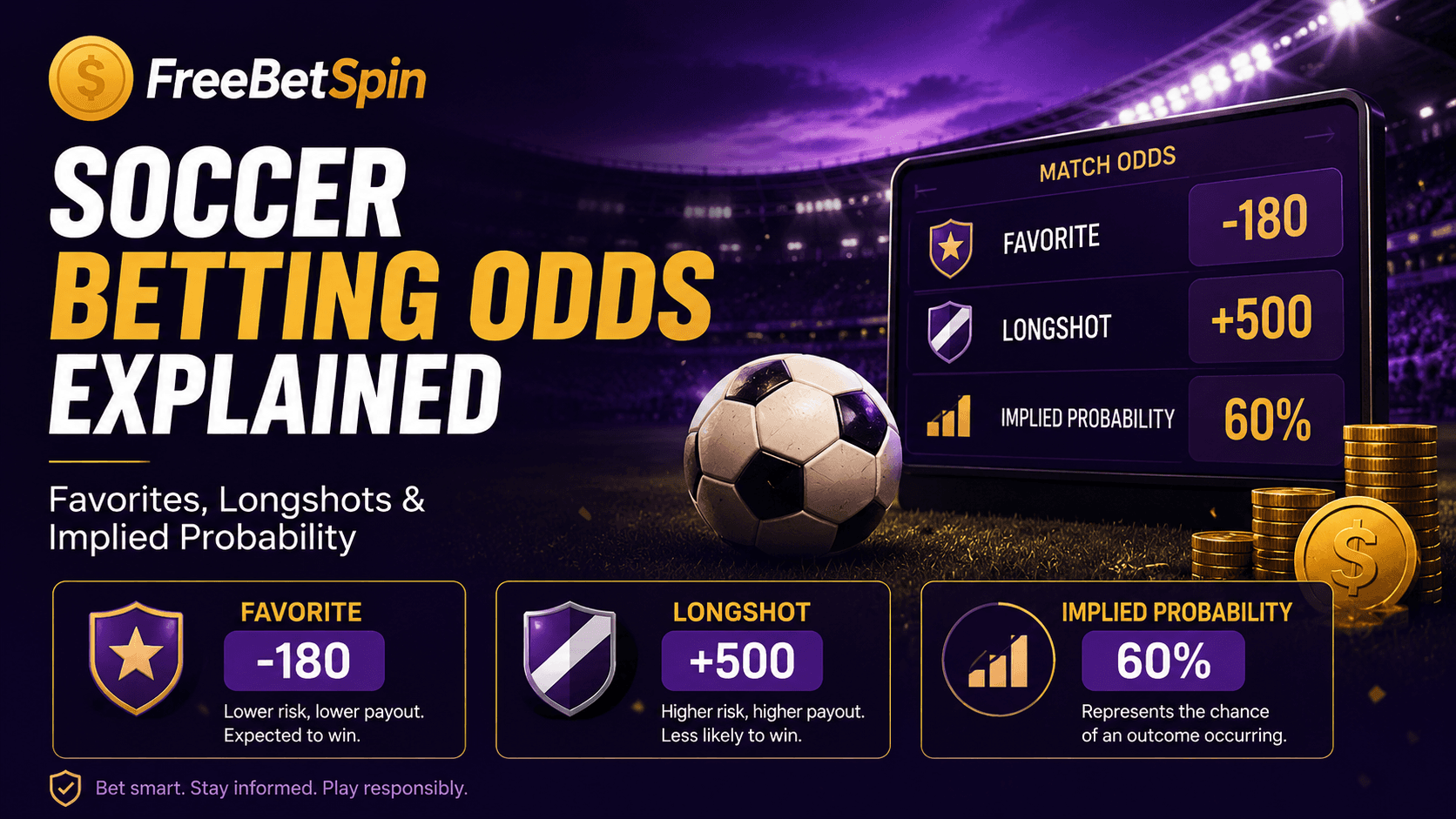
If you are still learning how odds show price and probability, read Freebetspin’s soccer betting odds explained guide before using futures movement as a decision tool.

Top World Cup Favorites After Opening Matches

The top World Cup favorites are usually teams with elite squads, strong tournament history, short futures prices, and market trust. But early matches can change the tone quickly.

A favorite that wins convincingly may shorten. A favorite that struggles may drift. A favorite that plays well but draws may stay stable if the underlying performance still looks strong.

Team Favorite Status Why the Market Likes Them Risk Factor
France Top-tier favorite Squad depth, attacking quality, major-tournament profile Reliance on key forwards, injury risk
Argentina Top-tier favorite Tournament experience, elite mentality, attacking quality Rotation, age profile, pressure
England Top-tier favorite Talent depth, strong market support Tactical balance, expectation pressure
Spain Top-tier favorite under scrutiny Technical control and young talent Finishing questions after early setback
Brazil Top-tier favorite Attacking ceiling and global reputation Consistency and defensive balance
Germany Contender Tournament pedigree and squad quality Form volatility
Portugal Contender Depth, creativity, and finishing options Control against elite opponents

SportsBettingDime’s 2026 World Cup odds page tracks outright prices and movement timelines across leading futures markets, while other live odds pages such as Oddschecker compare available World Cup futures prices across sportsbooks.

The useful takeaway is this: favorites are not static. They move based on results, performance quality, injuries, and projected path.

Biggest Risers in the World Cup Odds Market

Risers are teams whose odds shorten because the market becomes more confident. That confidence can come from a strong result, a favorable group situation, a rival dropping points, or a star player looking sharp.

A team does not need to win the tournament in the market’s eyes to be a riser. It only needs to improve its perceived chance compared with its previous price.

Riser Type Why Odds May Shorten What to Check Next
Favorite with a big win Confirms pre-tournament strength Opponent quality and finishing sustainability
Host team with momentum Crowd and venue narrative strengthen Whether performance beats expectation
Underdog earning points Qualification path improves New price may already include the result
Contender with clean sheet Defensive trust increases Was it control or opponent weakness?
Team helped by rival stumble Group path becomes easier Future bracket still matters

Example: why a strong opening win can move the market

If Germany wins convincingly while another favorite drops points, Germany’s price may shorten even more than expected. The market is not only reacting to Germany. It is also reacting to the board around Germany.

That is the key to reading World Cup odds movement: every team’s price is connected to the tournament path.

Biggest Fallers After Early Group-Stage Results

Fallers are teams whose odds drift because market confidence decreases. A poor result can trigger the move, but the real concern is often deeper: finishing problems, injuries, defensive structure, or a worse group path.

Spain’s 0-0 draw with Cape Verde is the type of result that can cause drift because it changes the group conversation and raises questions about chance conversion. Indian Express reported that Spain improved after second-half changes but could not break through Cape Verde’s backline, while Times of India described Cape Verde’s defensive performance and goalkeeper Vozinha as central to the upset.

Faller Type Why Odds May Drift Market Concern
Favorite held to a draw Qualification path becomes less comfortable Finishing, pressure, group math
Favorite loses opener Margin for error shrinks quickly Must-win pressure
Team with key injury Tournament ceiling drops Squad depth and replacements
Team exposed defensively Knockout trust weakens Transition defense and goalkeeper form
Popular team underwhelms Market reassesses hype Price may have been too short

Why fallers can still recover

A team drifting after one match is not dead. World Cup group stages are short, but they are not single-match tournaments. A strong response in Matchday 2 can stabilize the market quickly.

The key question is whether the drift reflects a real weakness or a short-term reaction.

Match Results Driving the Market

Match results drive World Cup odds movement because they change points, goal difference, confidence, and bracket expectations. But the scoreline alone can be misleading.

A 3-0 win can be dominant, or it can include two late goals against a tired opponent. A 0-0 draw can be worrying, or it can include strong chance creation and poor finishing. A narrow win can be controlled, or it can be lucky.

Match Result Likely Market Reaction Why It Matters
Favorite wins by 3+ Odds may shorten Confirms strength and improves confidence
Favorite wins narrowly Stable or slight drift Market may question performance quality
Favorite draws underdog Odds may drift Group path becomes harder
Underdog wins Underdog shortens, favorite drifts Qualification math changes
Host nation wins big Host odds may shorten Crowd and path narrative strengthens
Multiple group draws Prices may compress Qualification scenarios become tighter

For a broader tournament betting framework, Freebetspin’s World Cup betting guide explains odds, markets, legal access, predictions, bonuses, and common mistakes.

Result quality matters

The smartest market reaction looks beyond the final score.

Scoreline Question Why It Helps
Did the team create quality chances? Shows whether goals were sustainable
Did the opponent miss big chances? Reveals defensive risk
Was the favorite rotating? Changes how the result should be judged
Did a red card distort the match? Reduces reliability of the result
Did group context affect tactics? Motivation changes team behavior

World Cup odds movement often starts with the score but becomes more meaningful when you understand the match story behind it.

Player News, Injuries and Star Form

Player news can move World Cup futures because elite teams often depend on a few players to turn close games. A fit star forward can shorten a team’s price. A key injury can make the market less confident.

Star form also matters in related markets such as Golden Boot odds, player props, and team scoring markets.

Player Factor Possible Odds Impact
Star striker scores early Team and Golden Boot markets may shorten
Key forward injury Futures odds may drift
Goalkeeper mistake Defensive trust may weaken
Midfielder controls tempo Market may trust team stability
Suspension risk Knockout path risk increases
Star returns from injury Price may stabilize or shorten

Why player news should not be overread

One great performance does not guarantee tournament dominance. One poor match does not mean a star is finished. The market can overreact to famous players because their names carry more public attention.

The better question is whether the player news changes the team’s real tournament ceiling.

World Cup odds movement dashboard with favorites risers fallers and betting market reaction World Cup odds movement dashboard with favorites risers fallers and betting market reaction

How Group Stage Results Change Futures Odds

Group-stage results change futures odds because they affect more than one match. They change qualification probability, group finishing position, potential knockout opponent, rotation options, and pressure.

A team that wins its first two matches may be able to rotate in Matchday 3. A team that drops points early may need to play its strongest lineup and chase goal difference.

Group Stage Change Futures Odds Effect
Team wins opener Qualification path improves
Team draws underdog Margin for error shrinks
Team loses opener Futures price may drift sharply
Team secures early qualification Market may shorten
Team finishes second instead of first Knockout path may worsen
Third-place risk Futures probability becomes less clear

A tough group can make futures odds more volatile. A strong team may remain talented, but if its group path gets messy, its title probability can fall.

For more on how difficult groups change team paths, read Freebetspin’s World Cup group of death explained guide.

World Cup Market Movers: What Bettors Should Watch

World Cup market movers are not limited to final scores. Odds can move because of injuries, lineups, underlying performance, bracket path, travel, and public betting.

A smart tracker watches several signals at once.

Market Mover Why It Matters
Result quality Scoreline alone may mislead
xG / chance quality Shows underlying performance
Injuries Changes team ceiling
Rotation Affects later group matches
Group standings Changes motivation
Public money Can move popular teams
Odds comparison Different books may price differently
Knockout bracket path Futures odds depend on route
Travel and rest Recovery affects later matches

Movement direction checklist

If You See This Ask This
Team shortens after a win Was the performance actually strong?
Team drifts after a draw Was it poor play or unlucky finishing?
Underdog shortens after one upset Is the new price now too short?
Favorite stays stable after poor result Does the market still trust long-term quality?
Odds move before kickoff Was there lineup or injury news?

This is where bettors should be careful. The first move is not always the best move. Sometimes the market corrects. Sometimes it overreacts.

How to Read World Cup Odds Movement Without Overreacting

World Cup odds movement can be useful, but it can also create bad decisions. A team shortening does not automatically mean it is now a good bet. A team drifting does not automatically mean it should be avoided.

The best approach is to ask why the move happened.

Odds Move Smart Question
Favorite shortens after big win Was the opponent weak?
Favorite drifts after draw Was performance poor or finishing unlucky?
Underdog shortens after upset Has the price already moved too far?
Host team shortens Is crowd advantage real or overhyped?
Star player scores Does one performance change title probability?
Rival loses Does that actually improve this team’s path?

Avoid chasing stale numbers

One common mistake is chasing movement after the best price is gone. If you liked a team before it shortened, the new price may no longer be attractive.

A market move can confirm your view, but it can also remove the value.

Situation Better Response
You missed the opener Reassess the new price
A favorite shortened heavily Check if the move is justified
A faller drifted after one poor match Look at performance quality
An underdog became popular Avoid emotional chase
Media hype increases Compare probability with price

If you want to understand how underlying data can help separate scoreline from performance, Freebetspin’s xG soccer betting guide explains expected goals and chance quality in plain English.

What This Means for Bettors

For bettors, World Cup odds movement should be treated as context, not instruction. The market is giving information, but it is not telling you what to do.

A team shortening may already be too expensive. A team drifting may still have a strong chance. A stable favorite may remain reliable, or the market may be slow to react.

Bettor Action Why It Helps
Track opening vs latest direction Shows market sentiment
Compare multiple sportsbooks Avoids poor prices
Check injury news Prevents stale reads
Understand group math Futures prices depend on path
Avoid overreaction One match can mislead
Set a betting budget Keeps tournament betting controlled
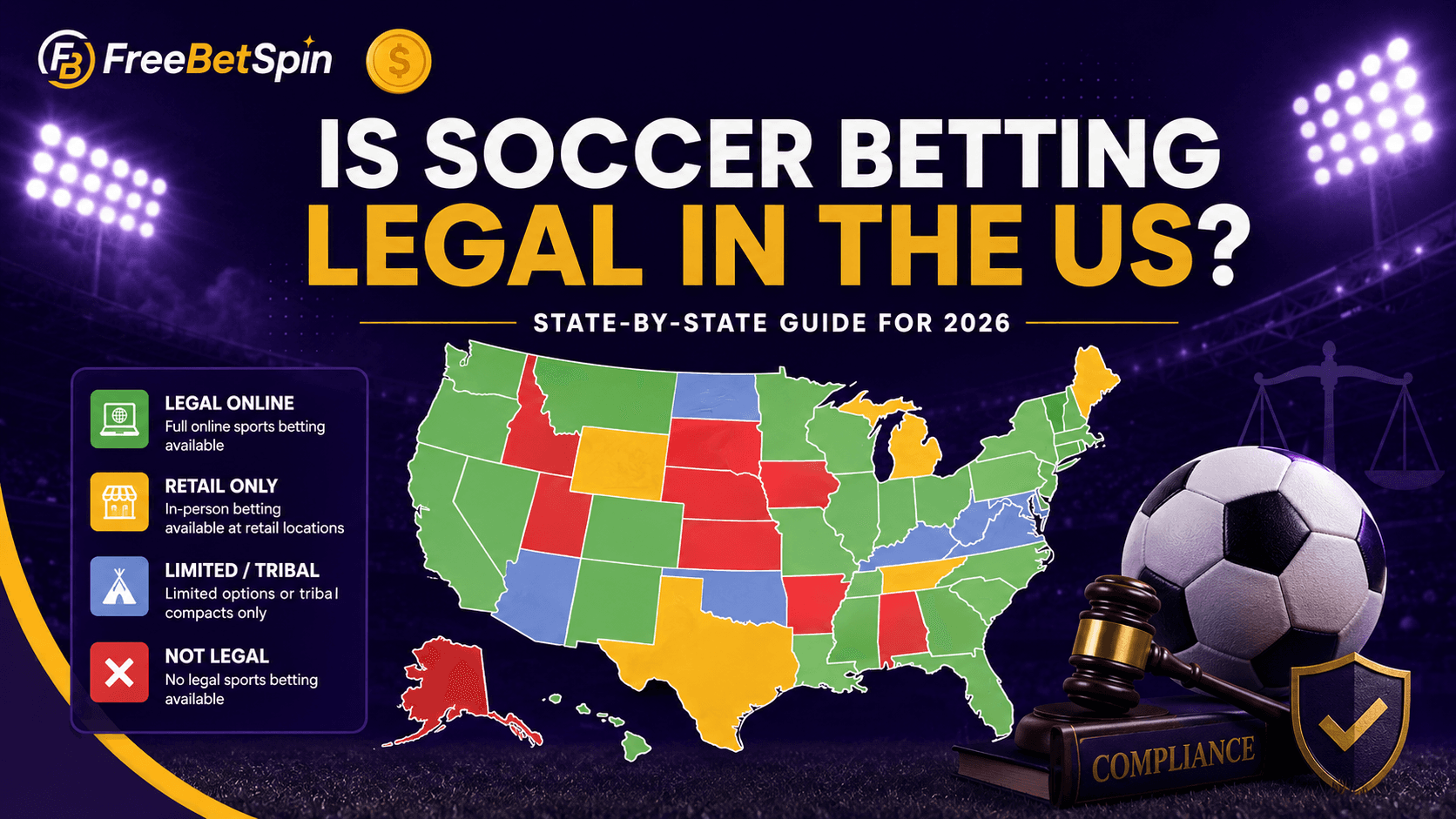
Review legal access Availability varies by state
Read active terms Bonus and market rules can vary

The most important habit is price discipline. Do not bet a team only because it is a riser. Do not avoid a team only because it is a faller. Ask whether the current price still makes sense.

Practical tracker workflow

Step What to Do
1 Check the latest movement direction
2 Identify the reason behind the move
3 Compare performance quality, not just result
4 Review group standings and bracket path
5 Compare current prices across sportsbooks
6 Decide whether the market moved too far
7 Stay within your betting budget

This keeps the tracker useful without turning it into a hype machine.

Update Log

This page is designed to be refreshed throughout the World Cup group stage and knockout rounds.

Date Update
June 2026 Published movement direction tracker for early World Cup odds movement
June 2026 Added Spain-Cape Verde draw reaction and early favorite movement notes
June 2026 Added group-stage futures movement framework and bettor checklist

Future updates can include new risers, fallers, injury notes, group qualification scenarios, and knockout path changes.

FAQ: World Cup Odds Movement

Is World Cup Odds Movement legit?

We evaluate World Cup Odds Movement on licensing transparency, payout reliability, bonus terms, and player support. See the pros, cons, and payment details in this review before you register.

What does World Cup odds movement mean?

World Cup odds movement means betting prices are changing as the market reacts to results, injuries, lineups, group standings, public betting demand, and tournament path.

Why do World Cup favorites' odds shorten?

Favorites' odds shorten when the market sees them as more likely to win. This can happen after a strong result, positive injury news, easier group path, or a rival dropping points.

Why do World Cup odds drift?

Odds drift when market confidence weakens. This can happen after a poor performance, injury, difficult group scenario, disappointing draw, or stronger rival performance.

Are World Cup risers always good bets?

No. A riser may already be overpriced after the market move. Bettors should compare the latest price with realistic probability before making any decision.

How often should a World Cup odds movement tracker be updated?

During the group stage, updating every 1–2 days is useful. Major upsets, injuries, lineup news, or qualification changes can justify faster updates.

Should bettors follow every odds move?

No. Odds movement is a signal, not a command. Bettors should understand why the move happened, compare prices, and avoid chasing stale numbers.

How we rate casinos · Responsible gambling

Gambling should be entertainment, not income. Set limits, take breaks, and seek help if play stops feeling fun. See our responsible gambling guide for US resources.

Related Posts

2026 World Cup Betting Hub: 9 Key Odds, Predictions & Soccer Betting Decisions

Get ready for 2026 World Cup betting with our complete hub covering odds, markets, predictions, legal access, bonus terms, mistakes, and beginner-friendly soccer betting tips.

Read

Is Soccer Betting Legal in the US? 51-State Guide for 2026

Find out where soccer betting is legal in the US in 2026. See state-by-state online and retail sports betting rules before betting on the World Cup.

Read

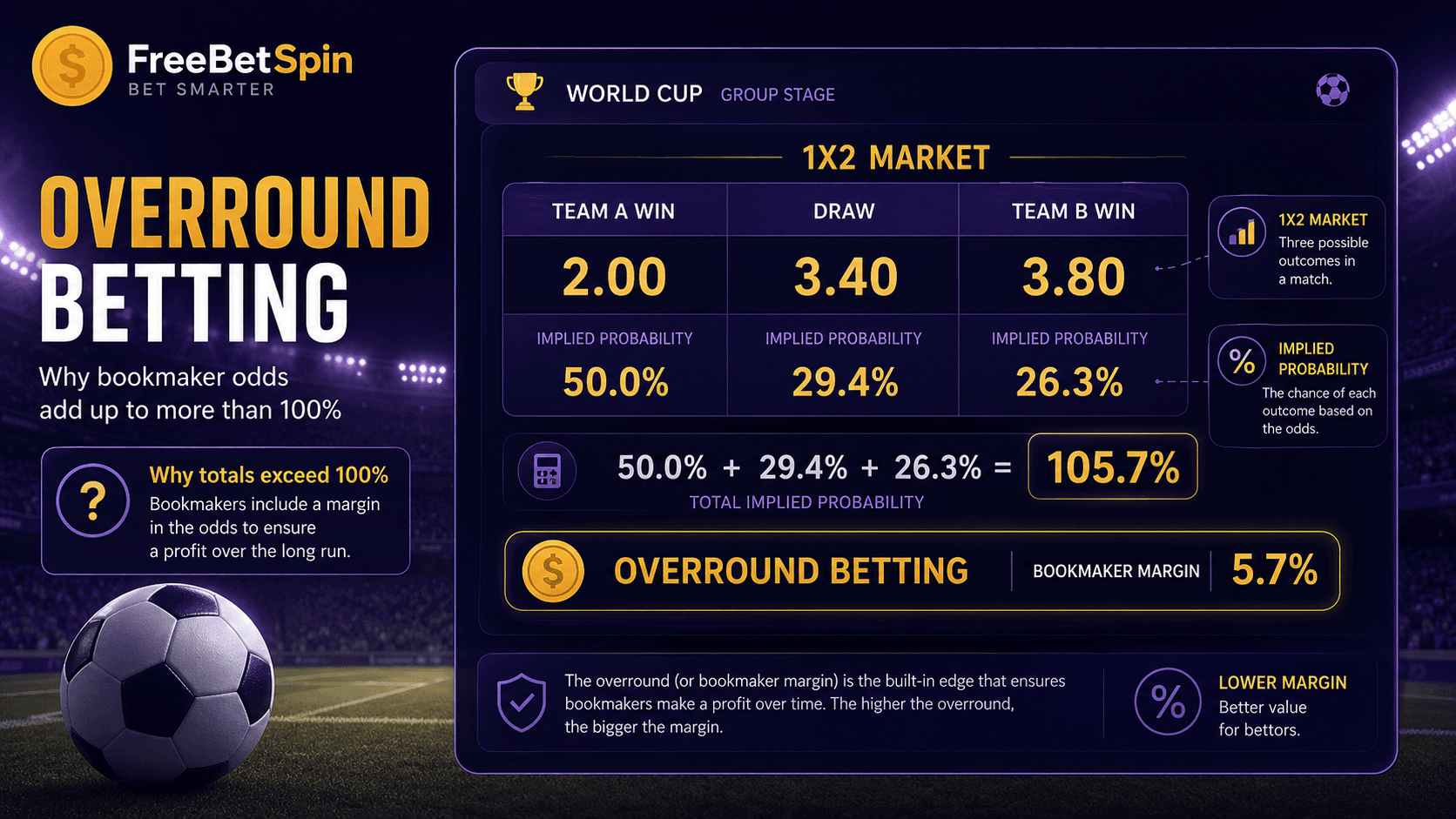
Overround Betting Explained: 5 Smart Ways to Spot Hidden Bookmaker Margin

Overround betting explains why implied probabilities in betting markets often add up to more than 100%. Learn how bookmaker margin works in soccer betting.

Read

Soccer Betting Odds Explained: 7 Key Concepts for World Cup Bettors (2026)

Learn how soccer betting odds work, why favorites and longshots are priced differently, and what implied probability means before betting on the World Cup.

Read